Color Temperature Guide: Warm vs Cool Light for Work
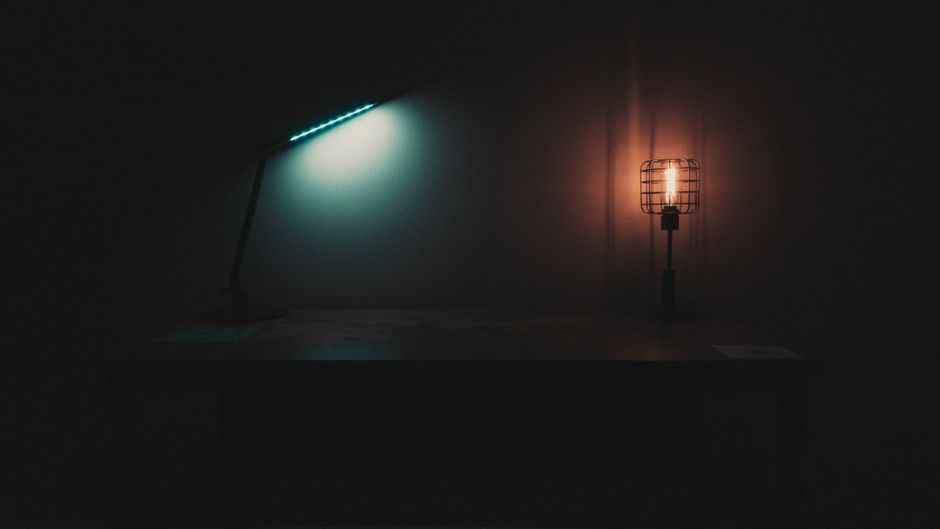
Color temperature, measured in Kelvin (K), describes the appearance of light emitted from a source. Lower Kelvin values produce a warm, yellowish glow, while higher values create a cool, bluish light. Understanding this scale helps in creating a work environment that supports concentration and comfort.
The choice between warm and cool lighting is not merely aesthetic. Research in environmental psychology and workplace design suggests that different color temperatures can influence alertness, mood, and visual comfort. Selecting an appropriate Kelvin rating for specific tasks may contribute to improved focus and reduced eye strain.
In this guide from Luminary Guide, we explore the characteristics of warm and cool light, their potential effects on work-related activities, and factors to consider when designing a lighting setup. The aim is to provide a neutral overview of the concepts rather than prescriptive recommendations.
What Is Color Temperature? The Kelvin Scale
The Kelvin scale is a standardized method for describing the color appearance of light sources. It ranges from low numbers, such as 1,000 K for candlelight, to high numbers like 10,000 K for a clear blue sky. Common artificial lighting falls between 2,700 K and 6,500 K. A 2,700 K lamp emits a warm, orange-toned light similar to traditional incandescent bulbs. At 4,000 K, the light is neutral white, often found in office environments. At 6,500 K, the light resembles daylight on an overcast day and appears cool or bluish.
Different light sources can have the same Kelvin rating but vary in spectral composition. For instance, two LEDs rated at 3,000 K may render colors differently depending on their phosphor coatings. This is where the color rendering index (CRI) becomes relevant, though it is separate from color temperature. Understanding Kelvin ratings provides a basic framework for selecting lighting, but practical experience and context also play important roles.
Warm Light: Atmosphere and Concentration Considerations
Warm light, typically in the range of 2,700 K to 3,000 K, is associated with relaxation and comfort. Many homes use warm lighting in living rooms and bedrooms to create a cozy atmosphere. In a work setting, warm light is sometimes used for ambient lighting in break rooms or informal collaboration areas where intense focus is not required. For tasks that demand high visual acuity, such as reading small print or performing detailed assembly, warm light may not provide sufficient contrast compared to cooler light.
Some individuals report feeling more relaxed or even drowsy under warm lighting for extended periods. This effect can vary based on the brightness level and the individual’s natural sensitivity. For certain creative tasks that benefit from a calm mood, such as brainstorming or conceptual thinking, warm light might be a suitable choice. However, there is no universal rule, and personal preference remains a significant factor. The impact of warm light on concentration is context-dependent and can be influenced by the surrounding environment.
Cool Light: Alertness and Task Performance
Cool light, ranging from about 4,000 K to 6,500 K, mimics natural daylight and is commonly used in offices, schools, and hospitals. Studies have indicated that exposure to higher color temperatures can enhance alertness and support performance on tasks requiring sustained attention, such as data entry or proofreading. The increased blue content in cool light may stimulate the circadian system, leading to improved wakefulness during daytime hours.
However, prolonged exposure to very cool light, especially in the evening, can interfere with natural sleep patterns by suppressing melatonin production. For computer work, many individuals find a moderately cool temperature around 4,000 K to 5,000 K comfortable, as it provides a good balance between alertness and visual comfort. Glare and overall brightness need to be managed carefully to avoid eye strain. The suitability of cool light depends on the time of day, the presence of natural light, and the nature of the tasks being performed.
Choosing the Right Temperature for Your Work Tasks
Selecting an appropriate color temperature involves considering the type of work, the time of day, and individual preferences. For detailed visual tasks like drawing, color grading, or fine assembly, a neutral to cool white light (around 4,000 K to 5,000 K) combined with a high CRI may help with color accuracy and contrast. For general office work such as reading, writing, or using a computer, many people prefer a neutral white in the range of 3,500 K to 4,500 K.
For reading or working in the evening, a warmer temperature (2,700 K to 3,000 K) may be less stimulating and could reduce discomfort. Some adjustable lighting systems allow users to shift color temperature throughout the day, aligning with natural circadian rhythms. It is advisable to experiment with different settings and observe how they affect comfort and productivity over time. No single temperature is optimal for everyone or for all situations.
Creating a Flexible Lighting Environment
A practical approach to managing color temperature in a workspace involves layering different light sources. Ambient lighting can provide a base level of illumination with a warm or neutral tone, while task lighting with a cooler temperature can be directed at specific work areas. This combination allows users to adjust the overall light mix according to the task and time of day. Dimmable and color-tunable LED fixtures offer additional flexibility, enabling users to fine-tune both brightness and Kelvin rating.
Natural daylight should also be considered, as it changes in color temperature throughout the day—warmer in the morning and evening, cooler at midday. Designing a workspace that incorporates windows or skylights can reduce reliance on artificial lighting and provide dynamic variation. Ultimately, a flexible lighting environment that offers user control may help individuals create conditions that support their own comfort and concentration. The effects of any lighting configuration depend on multiple factors, and adjustments should be made based on personal experience.