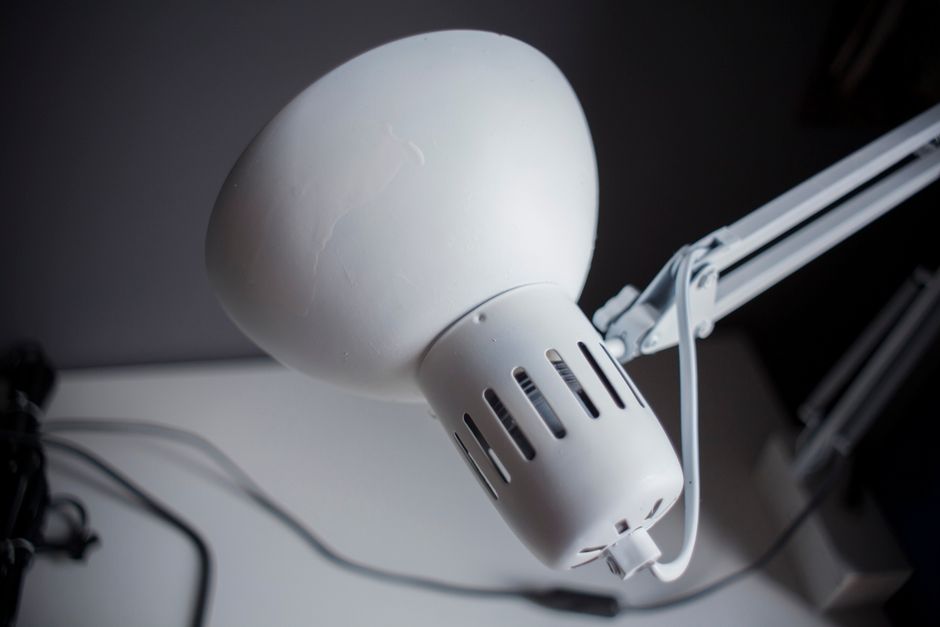
Adjustable Desk Lamps: Flexibility for Any Task
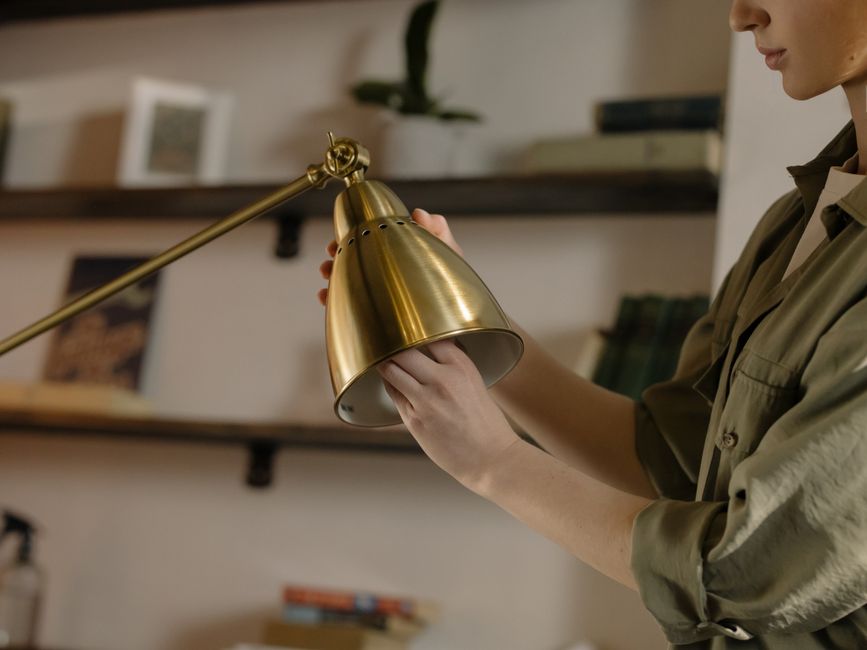
Adjustable desk lamps have become an integral part of modern workspaces, offering a level of flexibility that fixed lighting cannot match. These lamps are designed with articulated arms and pivoting heads, allowing users to direct light precisely where it is needed. Whether for intricate crafting, extended reading sessions, or computer work, the ability to reposition a light source reduces eye strain and improves visibility. Understanding the mechanisms behind these adjustments helps users make informed decisions about their lighting setup.
The design of adjustable desk lamps reflects a focus on ergonomics and task-specific illumination. By incorporating multiple joints and rotating components, manufacturers create lamps that can be manipulated into a wide range of positions. This adaptability means the same lamp can serve different functions throughout the day, from highlighting fine details in a model kit to providing ambient light for a late-night study session. The following sections explore the key features, applications, and considerations for these versatile lighting tools.
Understanding Articulated Arms and Pivoting Heads
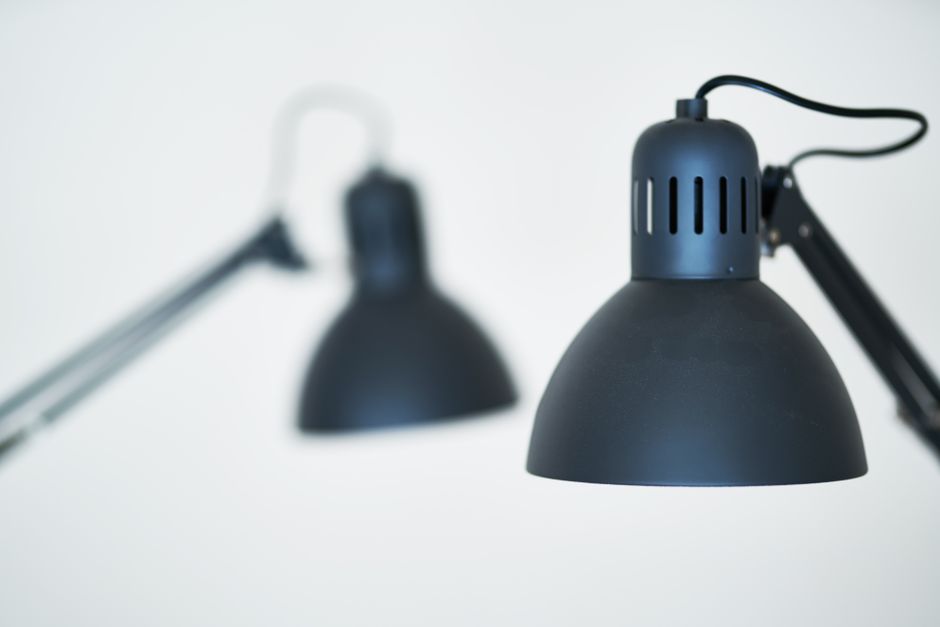
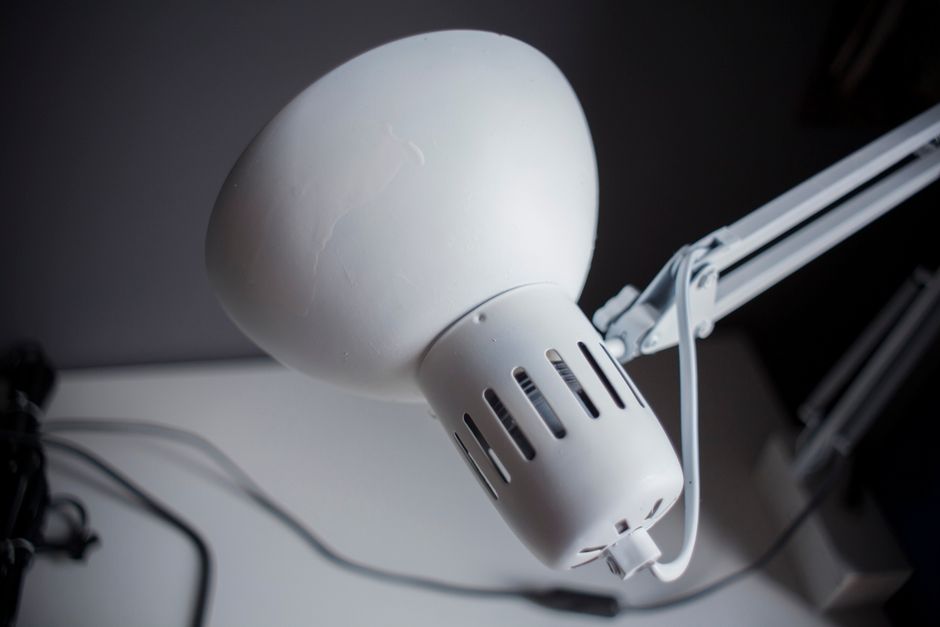
The core of any adjustable desk lamp lies in its mechanical structure. Articulated arms consist of several segments connected by pivoting joints. These joints may use tension springs, friction hinges, or counterbalance systems to hold the lamp in place after positioning. The number of joints determines the range of motion; a lamp with two or three joints can move vertically, horizontally, and in arcs. Pivoting heads add another degree of freedom, enabling the light beam to be tilted and rotated independently of the arm.
Materials used in these mechanisms affect both durability and smoothness of adjustment. Metal joints with sealed bearings tend to offer more consistent resistance over time compared to plastic components. Some lamps include adjustable tension knobs, allowing users to fine‑tune the stiffness of each joint. This customization is particularly useful when the lamp must hold a position for long periods without sagging. Additionally, the head of the lamp may incorporate a swivel or a universal joint, permitting rotation in multiple axes.
Another important aspect is the electrical wiring. In well‑designed adjustable lamps, the cord runs internally through the arm, preventing snags and maintaining a clean appearance. Some models use a spring‑loaded cord management system that retracts excess cable as the arm is moved. These engineering details contribute to the overall user experience and longevity of the lamp.
Applications in Crafting and Detailed Work
Crafting activities such as sewing, beadwork, model assembly, and soldering often require focused light on a small area. Adjustable desk lamps excel in these situations because they can be positioned close to the work surface without casting shadows from the user’s hands or tools. The pivoting head allows the light to be aimed at a precise angle, minimizing glare from glossy materials or reflective surfaces.
For tasks that involve color matching or fine detail, the light quality becomes as important as the direction. Many adjustable lamps offer options for color temperature and brightness levels. Neutral white light around 4000‑5000 Kelvin is often preferred for detailed work, as it provides a balanced spectrum without excessive warmth or coolness. Dimmable models let users adjust intensity according to the task and ambient lighting conditions. When the lamp is placed on a movable arm, the user can shift the light source without moving the workpiece, maintaining an efficient workflow.
Ergonomics also play a role. By directing light precisely, crafters can reduce eye fatigue and avoid having to lean into shadowy areas. The flexibility of the lamp means it can be shared between different workstations or stored compactly when not in use. For hobbies that require periodic changes in focus, a lamp with a long articulated arm can cover a larger area without frequent repositioning.
Reading and Study Environments
Reading for extended periods demands consistent, even lighting across the page. Adjustable desk lamps allow readers to position the light source to avoid harsh shadows and glare from paper or electronic screens. The pivoting head can be angled so that the light falls directly on the text while the surrounding area remains dimmer, creating a focused reading zone. This reduces visual distractions and helps maintain concentration.
In a study environment, the lamp’s adjustability enables it to serve multiple purposes. It can be directed at a notebook for writing, then repositioned to illuminate a textbook or reference material. Some models come with built‑in diffusers or lenses that spread light evenly, reducing hotspots. The ability to change the direction of the light also lets users avoid reflecting it off glossy pages or tablet screens. For night reading, a warmer color temperature around 3000K can be less stimulating, and dimming capabilities allow the brightness to be tailored to personal comfort.
Another consideration is the lamp’s reach. A lamp with a longer arm or a swing‑arm design can be placed on a desk and extended over a reading chair or sofa, making it versatile for different reading positions. Stability is important; a weighted base or a clamp mechanism prevents the lamp from tipping when the arm is fully extended. These features combine to create a reading environment that supports prolonged engagement with text without unnecessary eye strain.
Computer Use and Reducing Screen Glare
Using a desktop computer often involves a combination of monitor viewing, keyboard typing, and occasional reading of printed documents. The primary lighting challenge is avoiding glare on the screen while still providing enough illumination for peripheral tasks. Adjustable desk lamps can be positioned to cast light onto the desk surface without directly hitting the monitor. By angling the head downward and to the side, the user can illuminate the keyboard and any paper notes without causing reflections.
The type of light source matters. LED lamps with a matte diffuser produce a softer, more diffuse beam that is less likely to create harsh reflections on glossy screens. Some lamps offer a panel‑style head that spreads light over a wider area, which can be beneficial for reducing contrast between the bright screen and dark surroundings. This balance helps prevent the eye fatigue associated with working in dimly lit rooms. Adjustable brightness levels are especially useful when the ambient light changes during the day.
Articulated arms also allow the lamp to be moved out of the line of sight when not needed, freeing up desk space. For dual‑monitor setups, a lamp with a long reach can be positioned to illuminate the area between screens. Users can experiment with different positions to find a setup that minimizes shadows from their hands while typing. Over time, these adjustments become part of an ergonomic workflow that adapts to the changing demands of computer work.
Selecting an Adjustable Desk Lamp
Choosing an adjustable desk lamp involves evaluating several practical factors. The range of motion is a primary consideration: a lamp with multiple joints and a rotating head offers the most flexibility for varied tasks. However, the complexity of the mechanism can affect stability. A solid base or a sturdy clamp is necessary to support the arm’s full extension without tipping. The weight of the lamp is also relevant, as a heavier model may be less portable but more stable.
Light quality parameters such as color rendering index (CRI), color temperature, and dimming range should be examined. A high CRI (above 90) ensures accurate color perception, which is important for tasks like art or garment inspection. The ability to switch between color temperatures can be useful for transitioning from focused work to relaxation. Dimming controls that are smooth and flicker‑free contribute to visual comfort. Some lamps include memory functions that retain preferred settings.
Build quality and warranty are indicators of long‑term reliability. Metal construction and reinforced joints tend to withstand repeated adjustments better than plastic. The electrical components, such as the switch and cord, should be durable. For those who value aesthetics, adjustable lamps come in a variety of finishes and styles, from minimalist to industrial. Ultimately, selecting a lamp requires matching its mechanical and optical features to the specific tasks it will support.
Maintenance and Adjustment Tips
To preserve the functionality of an adjustable desk lamp, regular maintenance is recommended. Dust and debris can accumulate in the joints, leading to stiffness or squeaking. Cleaning the joints periodically with a soft brush or compressed air keeps them moving smoothly. For lamps with exposed springs or tension mechanisms, a light application of silicone lubricant on the contact points can restore ease of movement. It is advisable to consult the manufacturer’s guidelines before using any lubricant.
Over time, some joints may lose tension and fail to hold position. Many lamps allow for tension adjustment via screws or knobs. Tightening these appropriately can restore the arm’s ability to stay in place. If the lamp uses a spring‑loaded system, checking the spring for wear or damage is important. For LED‑based lamps, the light source itself has a long lifespan, but if the lamp flickers, the driver or connections may need inspection. Replacing the LED module or power supply should be done according to the manufacturer’s instructions.
Storing the lamp properly when not in use extends its life. Folding the arm to a compact position reduces stress on the joints and prevents accidental damage. For clamp‑on models, ensuring the clamp is released before moving the lamp avoids bending the mounting surface. By following these simple care steps, users can maintain the adjustability and performance of their desk lamp over many years of varied tasks.